

Hajdúszoboszló
Hajdúszoboszló
Cegléd
Balatonalmádi
Bük
Eger
Zalakaros
Gyula
Heiligenblut
Hévíz
Budapest
Hévíz
Tapolca
Heiligenblut
Egerszalók
Nyíregyháza
Szeged


★
4.6
Tapolca
· Gyermekbarát · Wellness · Konferencia · Gyógyszálloda · Balaton · Legjobb ár/érték · Dupla pont akció

★
4.6
Gyula
· Gyermekbarát · Wellness · Konferencia · Gyógyszálloda · Közvetlen fürdőkapcsolat · Új, felújítás után frissen nyitott · Dupla pont akció
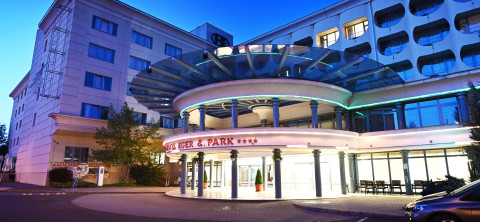
★
4.6
Eger
· Wellness · Gyermekbarát · Konferencia · Legjobb ár/érték · Dupla pont akció
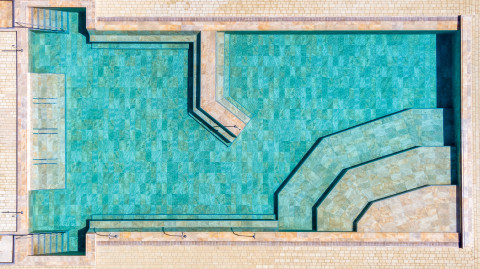
★
4.6
Hévíz
· Wellness · Gyermekbarát · Új, felújítás után frissen nyitott · Legjobb ár/érték · Dupla pont akció
★
4.6
Tapolca
· Gyermekbarát · Wellness · Konferencia · Gyógyszálloda · Balaton · Legjobb ár/érték · Dupla pont akció
★
4.6
Gyula
· Gyermekbarát · Wellness · Konferencia · Gyógyszálloda · Közvetlen fürdőkapcsolat · Új, felújítás után frissen nyitott · Dupla pont akció
★
4.6
Eger
· Wellness · Gyermekbarát · Konferencia · Legjobb ár/érték · Dupla pont akció
★
4.6
Hévíz
· Wellness · Gyermekbarát · Új, felújítás után frissen nyitott · Legjobb ár/érték · Dupla pont akció
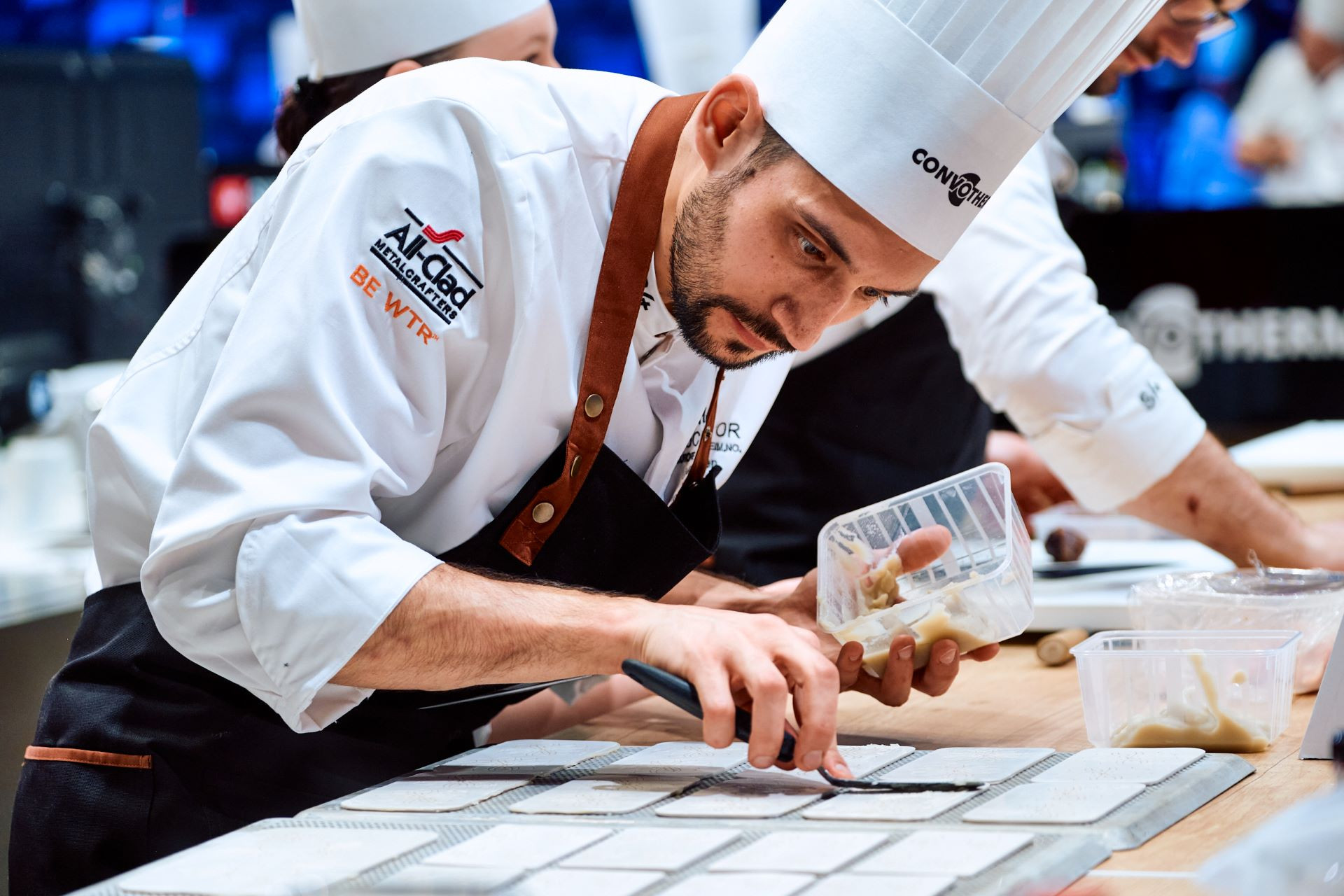
2024. március 19-20-án a norvégiai Trondheim adott otthont a Bocuse d’Or európai válogatójának. A tét ismét nem kevesebb volt, mint a továbbjutás a lyoni döntőre. A magyar csapat magabiztos versenyzéssel biztosította a helyét a világ legrangosabb szakácsversenyének döntőjén, amelyre 2025 januárjában kerül majd sor, és a legjobb tálnak járó különdíjat is hazahozhatta - részletekért kattintson
-0001.11.30
-0001.11.30
-0001.11.30
-0001.11.30
-0001.11.30
-0001.11.30

-0001.11.30
-0001.11.30
-0001.11.30

★
4.6
Egerszalók
· Wellness · Konferencia · Gyógyszálloda · Közvetlen fürdőkapcsolat · Népszerű
★
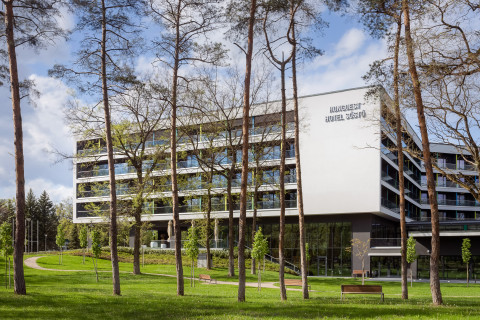
4.8
Nyíregyháza
· Gyermekbarát · Wellness · Konferencia · Közvetlen fürdőkapcsolat
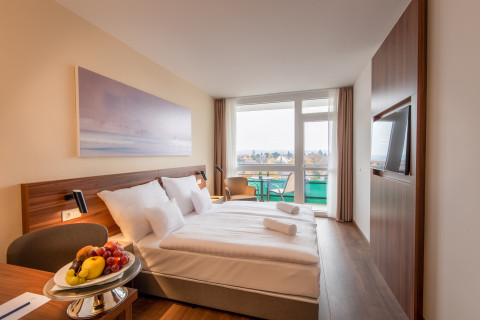
★
4.7
Hévíz
· Balaton · Népszerű · Közvetlen fürdőkapcsolat · Legjobb ár/érték
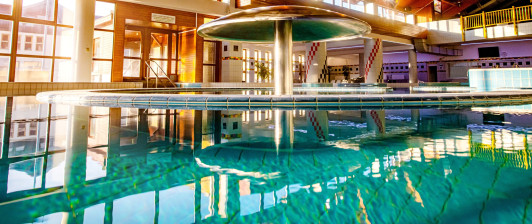
★
4.6
Zalakaros
· Gyermekbarát · Wellness · Konferencia · Gyógyszálloda · Közvetlen fürdőkapcsolat
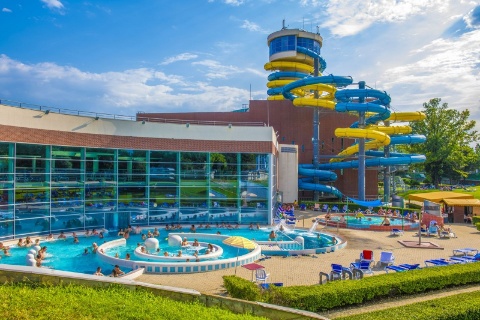
★
4.6
Szeged
· Gyermekbarát · Wellness · Konferencia · Gyógyszálloda · Közvetlen fürdőkapcsolat
★
4.6
Gyula
· Gyermekbarát · Wellness · Konferencia · Gyógyszálloda · Közvetlen fürdőkapcsolat · Új, felújítás után frissen nyitott · Dupla pont akció
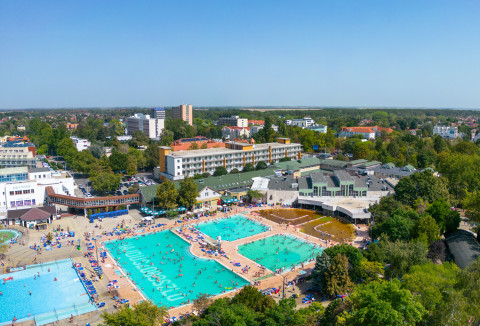
★
4.7
Hajdúszoboszló
· Gyermekbarát · Wellness · Konferencia · Gyógyszálloda · Közvetlen fürdőkapcsolat · Népszerű
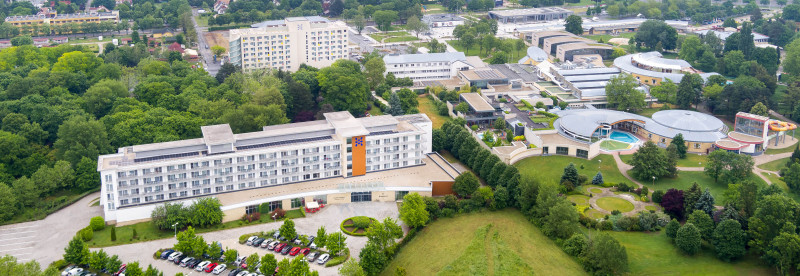
★
4.6
Bük
· Gyermekbarát · Gyógyszálloda · Közvetlen fürdőkapcsolat · Új, felújítás után frissen nyitott · Népszerű
★
4.6
Egerszalók
· Wellness · Konferencia · Gyógyszálloda · Közvetlen fürdőkapcsolat · Népszerű
★
4.6
Zalakaros
· Gyermekbarát · Wellness · Konferencia · Gyógyszálloda · Közvetlen fürdőkapcsolat
★
4.6
Szeged
· Gyermekbarát · Wellness · Konferencia · Gyógyszálloda · Közvetlen fürdőkapcsolat
★
4.6
Gyula
· Gyermekbarát · Wellness · Konferencia · Gyógyszálloda · Közvetlen fürdőkapcsolat · Új, felújítás után frissen nyitott · Dupla pont akció
★
4.7
Hajdúszoboszló
· Gyermekbarát · Wellness · Konferencia · Gyógyszálloda · Közvetlen fürdőkapcsolat · Népszerű
★
4.6
Bük
· Gyermekbarát · Gyógyszálloda · Közvetlen fürdőkapcsolat · Új, felújítás után frissen nyitott · Népszerű

Hunguest Zrt.
1056 Budapest, Váci utca 38.

Sporthotel Heiligenblut
Hunguest Saliris
Landhotel Post
Hunguest Hotel Sóstó
Hunguest Hotel Sun Resort
Hunguest Hotel Pelion
Hunguest Hotel Panoráma
Hunguest Hotel Freya
Hunguest Hotel Szeged
Hunguest Hotel Flóra
Hunguest Hotel Gyula
Hunguest Hotel Béke
Hunguest Hotel Aqua-Sol
Hunguest Hotel Apollo
Hunguest Bük
Hunguest BÁL Resort
Hotel Millennium
Hotel Eger & Park
Hotel Aquarell
Hunguest Hotel Helios